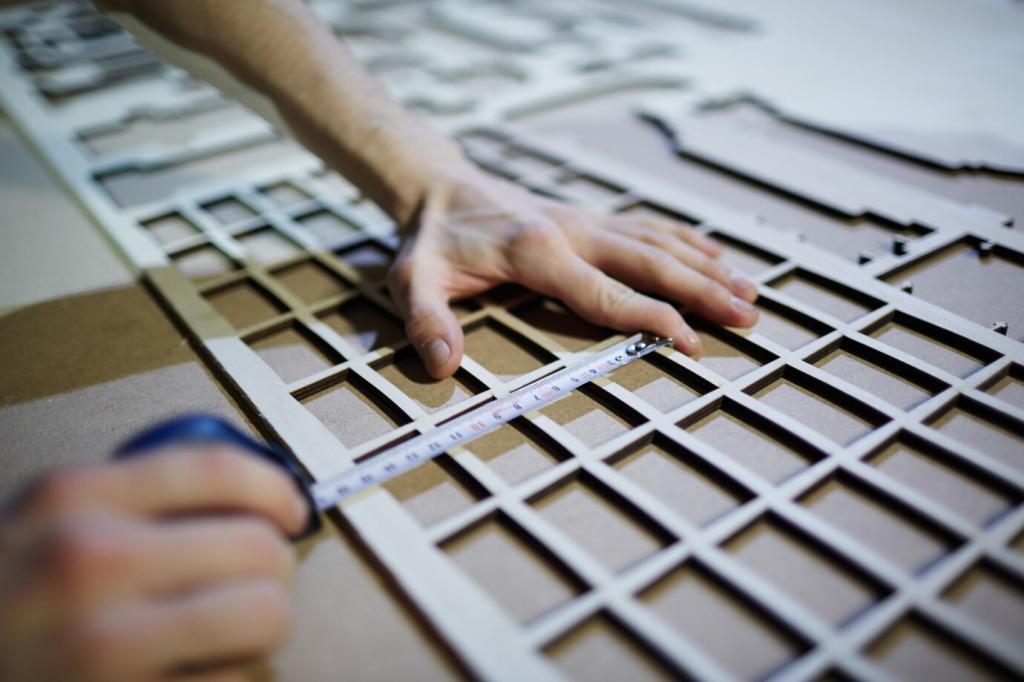
Chosen theme: Comparing Different Steel Grades for Safes. Step into a clear, confidence-building guide that turns technical steel grades into practical security choices. From carbon to alloy and specialty plates, learn how material decisions shape strength, durability, and peace of mind. Share your questions, subscribe for updates, and help us compare real‑world experiences.
Thickness vs Grade: Why Both Matter
Lower gauge means thicker steel: 12‑gauge is thinner than 10 or 7‑gauge. Upgrading thickness often improves stiffness and resistance to deformation. Share your experience moving from thin cabinets to heavier steel bodies.
Thickness vs Grade: Why Both Matter
Many safes pair steel plates with composite materials for multi‑threat protection, distributing heat and stress. The right steel grade on each side supports the filler’s job. Subscribe for deep dives into common composite recipes.
Anecdotes from the Field: When Grades Meet Real Life
A reader near the coast chose a safe with stainless interior panels and coated carbon‑steel walls. Years later, the interior stayed pristine while the exterior coatings carried the load. Share your humidity challenges and solutions.
UL categories look at overall construction and performance, not just metal type. Higher ratings often reflect thicker steel, stronger grades, and better design. Follow us for plain‑English breakdowns of rating implications.
European classifications similarly view the safe as a system. Material selection, including steel grade and thickness, supports the rating outcome. Join the discussion: which certifications guide your shortlist?
Steel alone conducts heat; insulation systems protect contents during fire events. Pairing correct steel grades with proper insulation and door seals enhances resilience. Subscribe for upcoming lab test summaries and comparisons.
Choosing the Right Grade for Your Needs
For general valuables, thicker mild‑steel bodies with reinforced critical areas offer strong value. Look for honest gauge specs and targeted alloy plates. Comment with what tipped your decision: weight, interior, or materials.
Manufacturing and Treatment: Bringing Out Steel’s Best
Heat Treatment and Hardness Control
Alloy steels like 4140 respond to quench and temper cycles that shape hardness and toughness. Properly treated plates resist wear while avoiding brittleness. Follow us for behind‑the‑scenes manufacturing insights.
Powder coats, primers, and sealants protect carbon steels from corrosion, while stainless benefits from clean, passivated surfaces. Finishes safeguard performance in harsh settings. Subscribe for our maintenance‑friendly finish checklist.
Control indoor humidity, avoid standing water near the base, and touch up exterior coatings when scratched. These habits extend the life of carbon‑steel bodies. Share your maintenance routines with fellow readers.
02
Inspect door alignment, hinge operation, and interior panels. Look for early signs of corrosion or finish wear. Thoughtful checks keep steel performing well. Subscribe for seasonal reminders and quick inspection guides.
03
Place safes on stable, level surfaces with protective pads, especially on concrete where moisture wicks. Plan moves to avoid undue stress on welds and panels. Comment with placement tips that worked for you.